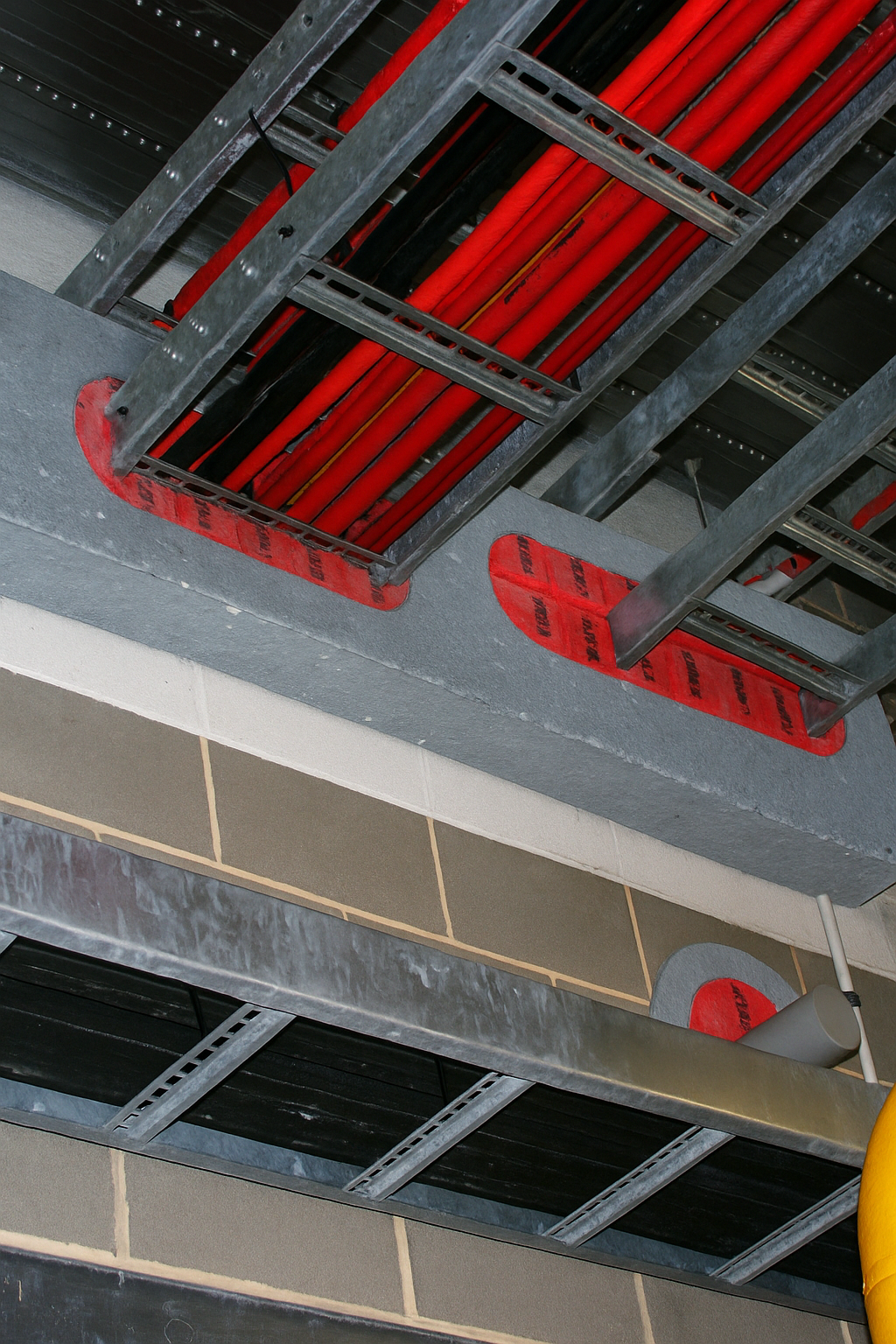
Fire Seals
High-performance seals for cable penetrations, pipe penetrations, and joints, preventing fire and smoke spread through walls and floors. Ideal for server rooms, hospitals, and commercial buildings.
Contact Us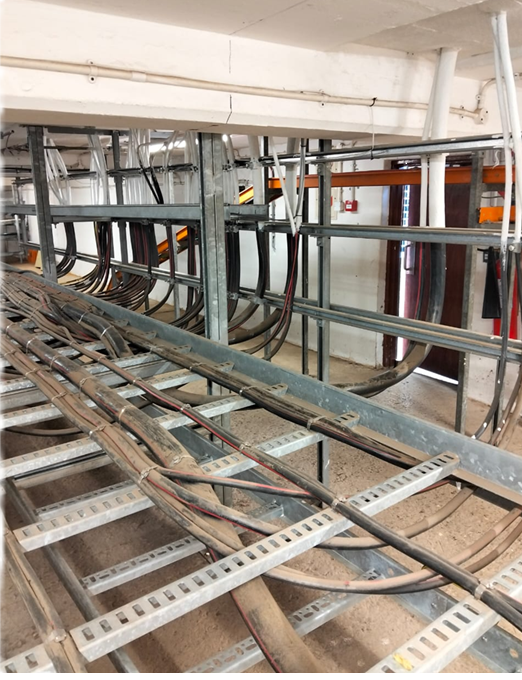
Cable Coatings
Fire-retardant coatings for electrical cables reduce fire hazards and maintain circuit integrity in the event of a fire. Perfect for substations and data centres.
Contact Us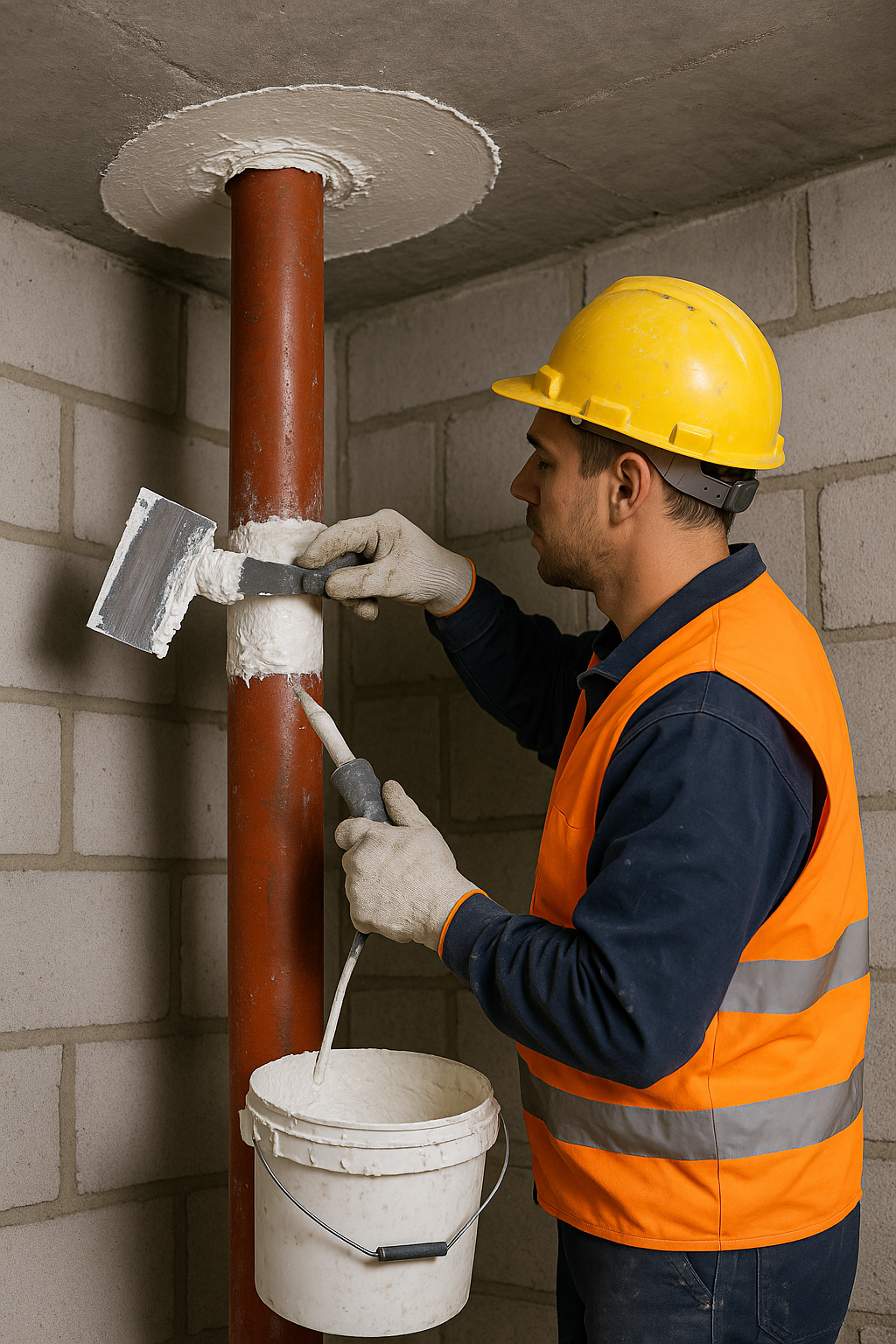
Tank and Structural Coatings
Protective coatings for fuel tanks, chemical storage, and structural steel, enhancing fire resistance. Essential for industrial facilities and warehouses.
Contact Us
Fire Walls and Compartmentation
Fire-resistant walls and barriers to divide buildings into fire-safe zones, protecting occupants and assets in high-occupancy buildings like student accommodation and offices.
Contact Us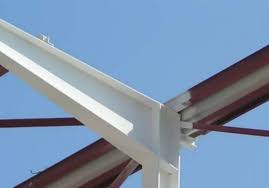
Intumescent and Ablative Coatings
Advanced coatings that expand or char when exposed to heat, providing critical protection to structural components in industrial and commercial settings.
Contact UsWhat Is Passive Fire Protection?
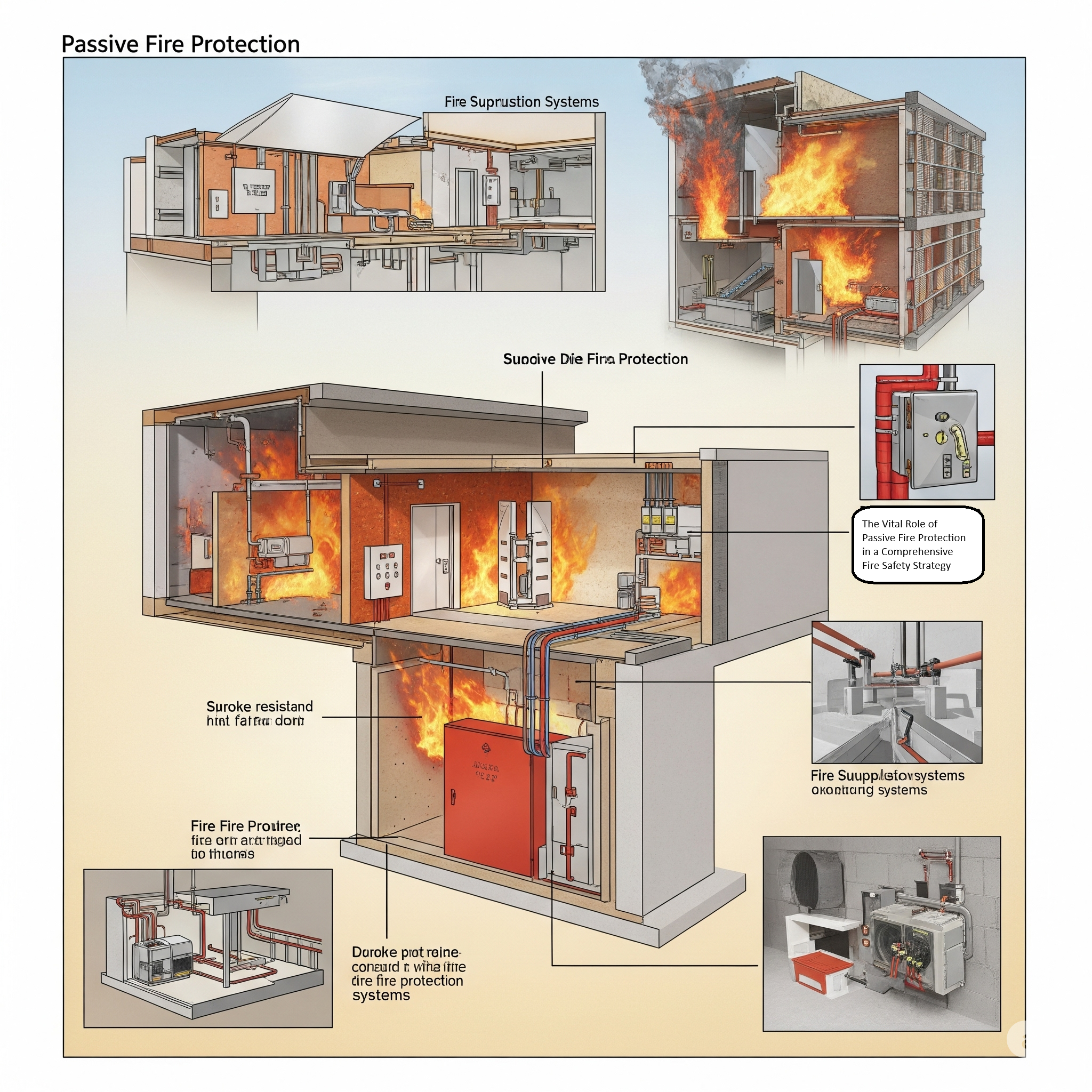
PFP uses materials and design to restrict fire and smoke spread. Typical components include fire‑resistant walls and floors (30–120 minutes), self‑closing doors with intumescent seals, penetration seals (tested to EN 1366‑3), intumescent steel coatings (UL 1709), and smoke dampers.
Global Standards Compared
| Element | SANS 10400‑T | NFPA, BS/EN, UL Standards |
|---|---|---|
| Fire resistance | 30–120 min by occupancy | ASTM E119, BS 476, EN 1364 align with similar durations |
| Penetration seals | Mandated, EN 1366‑3 tested | EN 1366‑3, UL 1479, ASTM E814 |
| Steel protection | UL 1709 or EN equivalent approved | UL 1709, BS 476, EN 13381 |
| Smoke control | Required in escape routes (SANS 4.43) | NFPA 90A/B, EN 12101 |
Why PFP Matters
Saving Lives
Fire‑rated compartments and smoke seals significantly delay spread, offering crucial evacuation time.
Protecting Assets
Intumescent coatings preserve structural steel at high temperatures, maintaining integrity—and minimising repair costs.
Always Active
PFP works regardless of power availability or system health, providing a reliable layer of protection.
Sector Case Studies
Hospital: Chris Hani Baragwanath (Bara), 2023
A recent research study revealed that inadequate maintenance of active fire systems threatened safety at South Africa’s largest hospital, underscoring the necessity of robust, passive measures such as compartmentation and penetration seals.
Pretoria University Lecture Halls, 2023
Installation of fire‑resistant partitions and smoke dampers helped compartmentalise open halls—exceeding compliance and enhancing evacuation protocols.
Cape Town Industrial Warehouse, 2022
Applying intumescent coatings to steel trusses reduced structural sag by 60% during trials and facilitated faster production recovery.
Passive vs Active Protection
- Active systems detect or suppress fire but depend on power and mechanical function.
- Passive systems like walls and coatings function continuously without power.
- Combined, they provide a layered approach, endorsed by NFPA 101 and SANS 10400‑T.
Market Trends & Materials
The global PFP market for coatings was valued at $6.6 billion (approximately R118 billion) in 2024 and is projected to grow to $9.5 billion (approximately R169.8 billion) by 2030, with innovation in intumescent and cementitious materials driving adoption. Companies like AkzoNobel, Jotun and Hempel lead internationally.
Lionize Group: South Africa’s PFP Leader
- Deep regulatory knowledge of SANS, NFPA and BS/EN ensures full compliance.
- Locally sourced, SABS-approved materials reduce lead times and costs.
- Sector-specific expertise across healthcare, education and industrial sectors.
- Rapid onsite turnaround and comprehensive maintenance fill service gaps ignored by others.
Conclusion
Passive fire protection is the foundation of fire safety, mitigating risk even when active systems falter. Lionize Group provides leading-edge, compliant PFP solutions tailored to South Africa’s unique needs. Don’t wait—secure your property and personnel with superior protection.
Call to Action: Arrange a free PFP audit by emailing info@lionize.co.za or calling +27 (0)10 880 3956 today.